Tag: Big Waves

  • Beginner’s Guide to Your First Surf Lesson

    Every surfer you see threading barrels and carving turns started in the whitewater. The beginning is awkward, humbling, and absolutely worth it. Here is what to expect from your first lesson.

    Your instructor will start on the beach, walking you through the pop-up motion: lying flat, hands beside your chest, pushing up and planting your feet in one fluid movement. Practice this on land until it feels automatic. In the water, everything happens fast.

    The first waves you catch will be whitewater — broken waves that push you toward shore with forgiving force. Focus on your stance. Feet shoulder-width apart, knees bent, arms out for balance, eyes looking forward. Do not look down at the board. Ride it out to the sand and do it again. And again. The ocean is a patient teacher if you let it be.

  • Winter Swells: Why Cold Water Means Better Waves

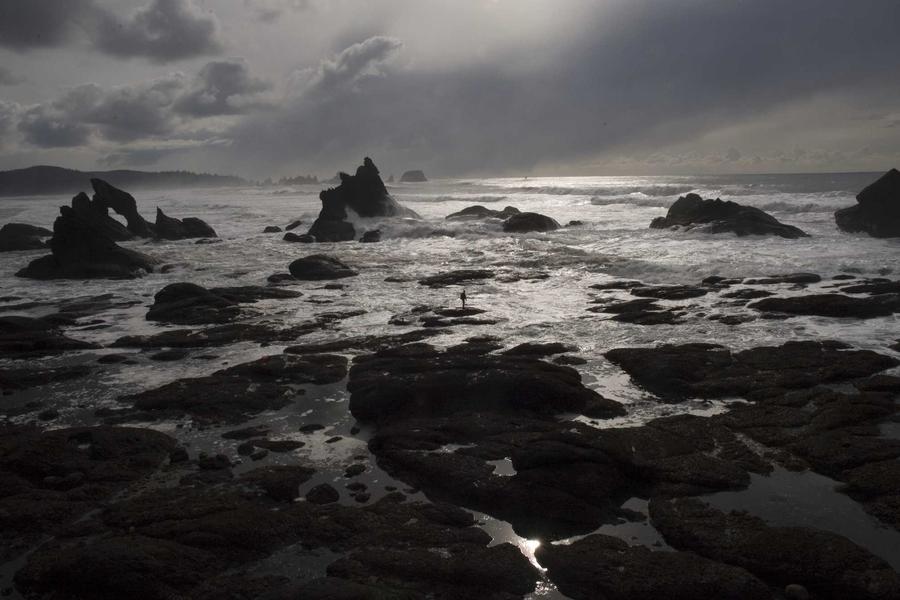
    November through March, powerful low-pressure systems spinning across the North Pacific generate the largest and most consistent swells of the year. While summer crowds thin and casual surfers pack away their boards, the serious locals know: this is when California truly delivers.

    The water temperature drops into the low fifties along the central and northern coast. A good 4/3mm wetsuit, booties, and gloves become essential equipment. But the reward for tolerating the cold is access to waves of a size and quality that simply do not arrive in summer.

    The great winter swells of recent memory — the El Niño winters of 2016 and 2023 — brought forty-year events to breaks that rarely see overhead surf. Mavericks ran. Jaws detonated. And down at the local beach break, a generation of surfers got the sessions of their lives.

  • The Art of Reading Ocean Swells

    Understanding wave formation separates good surfers from great ones. A wave is not just water — it is energy that has traveled hundreds of miles across the open ocean, shaped by storms, underwater topography, and the angle of the seafloor as it approaches shore.

    Groundswells, generated by powerful distant storms, produce the long-period waves that California surfers dream about. Wind swells, created locally, tend to be choppier and less consistent. Learning to distinguish between them — using buoy data, wind charts, and simple observation — is the foundation of session planning.

    The key metrics to track are wave height, period (the time between waves), and direction. A 6-foot swell at 18 seconds of period will be dramatically more powerful and better-shaped than 6 feet at 8 seconds. Pair that with a favorable tide and an offshore wind, and you have the recipe for a session worth waking up early for.

  • Mavericks: Northern California’s Big Wave Mecca

    Thirty miles south of San Francisco, a submerged rock formation called the Mavericks reef transforms winter groundswells into some of the most terrifying waves on the planet. On the right swell, faces reach forty feet and beyond — cold, powerful, and unforgiving.

    The break was kept largely secret by local surfers until 1990, when Jeff Clark finally convinced a group of professionals to paddle out with him. What they witnessed changed big wave surfing forever. Within a decade, Mavericks had become the proving ground for the world’s most fearless watermen.

    Today, an invite-only contest draws the elite of big wave surfing to Half Moon Bay each winter. But the real Mavericks experience belongs to the dedicated few who monitor buoys obsessively, make the call on twelve hours notice, and paddle into mountains of cold water because they simply cannot imagine not doing so.